Understanding Blood Pressure: Your Guide to Managing Hypertension
August 28, 2026
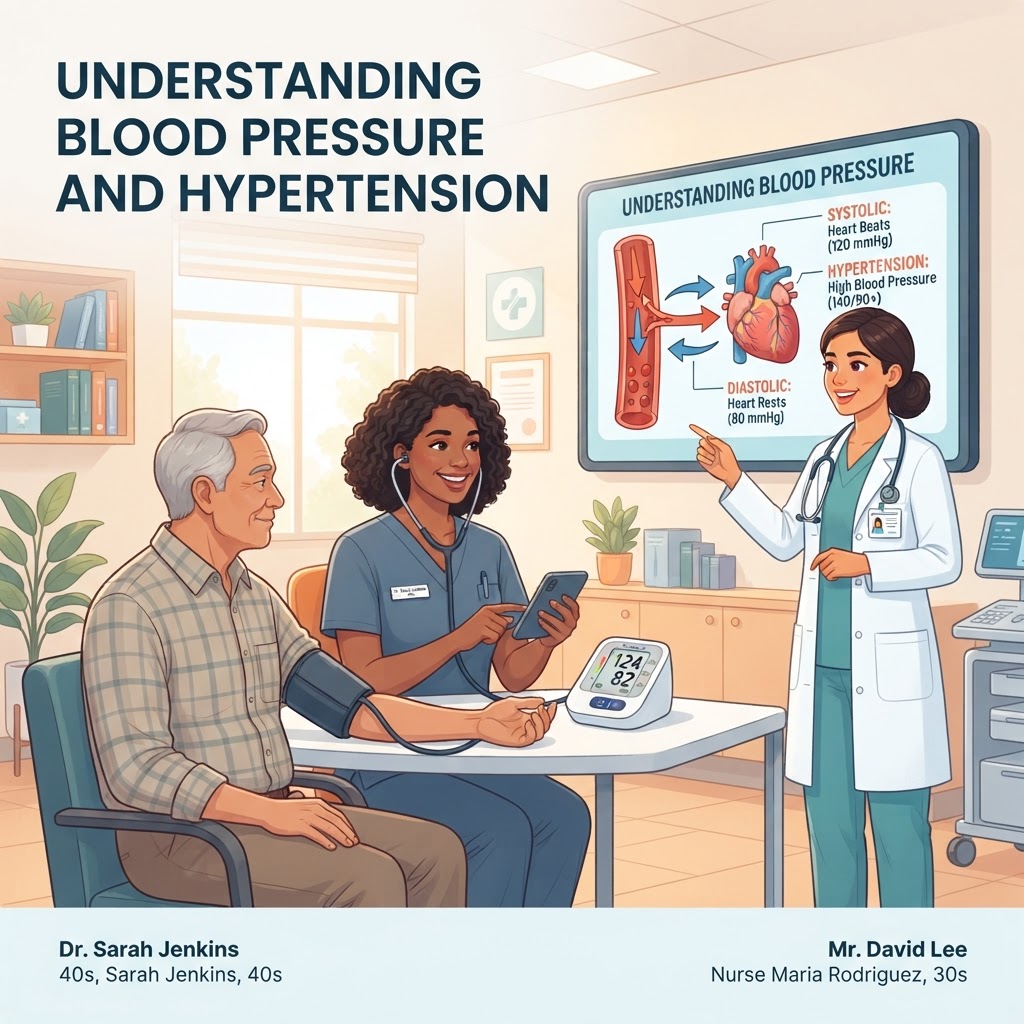
Blood pressure is the force of your blood pushing against the walls of your arteries as your heart pumps it throughout your body. It is measured with two numbers: systolic pressure, which measures the pressure when your heart beats, and diastolic pressure, which measures the pressure when your heart rests between beats. A normal reading is typically around 120/80 mmHg, but when these numbers stay consistently high, you are diagnosed with hypertension. Because high blood pressure rarely causes noticeable symptoms, many people are unaware they have it until significant damage has been done to their heart, kidneys, or arteries.
Managing hypertension is largely about lifestyle modifications, though some individuals may require medication as prescribed by their healthcare provider. You can significantly lower your risk by adopting a heart-healthy diet rich in fruits, vegetables, and whole grains while limiting sodium intake. Regular physical activity, such as brisk walking for 30 minutes a day, and finding healthy ways to manage chronic stress are also essential. By keeping track of your numbers through routine screenings and making these small but impactful changes, you can take control of your cardiovascular health and prevent long-term complications.