Deciphering the Label: Your Guide to Smarter Grocery Shopping
September 1, 2026
Start with the Serving Size
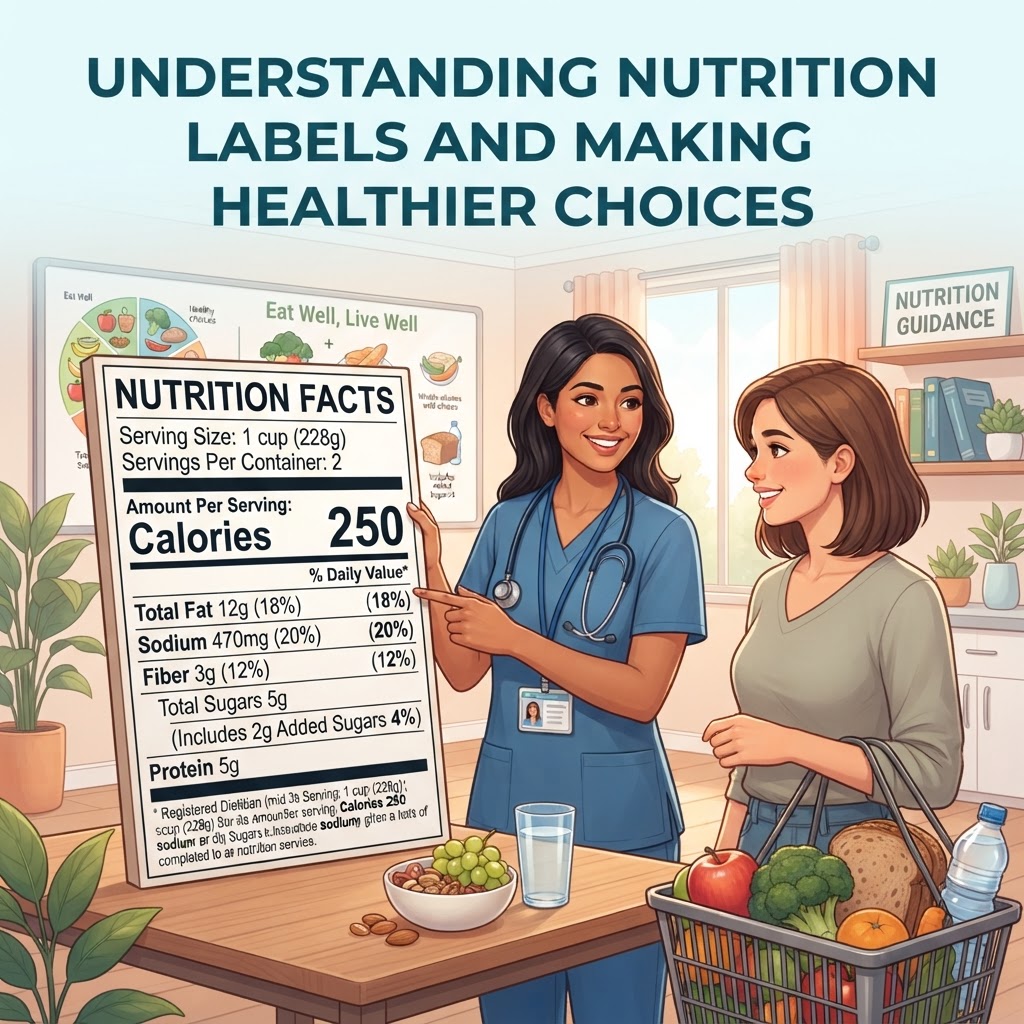
The most important step in reading a nutrition label is checking the serving size and the number of servings per container. Many people mistakenly assume the entire package is one serving, which can lead to consuming far more calories, fats, or sugars than intended. Always compare the serving size listed on the package to the amount you actually plan to eat so you have an accurate picture of your nutritional intake.
Focus on the Ingredients and Daily Value
Beyond calories, take a close look at the ingredient list and the Percent Daily Value (%DV). Ingredients are listed by weight, so prioritize products where whole foods appear at the top of the list and minimize items with long, unrecognizable chemical names or added sugars. Use the %DV as a quick gauge: 5% or less is considered low for a nutrient, while 20% or more is considered high. By prioritizing labels that are high in fiber, vitamins, and minerals, and low in sodium and saturated fats, you can confidently build a more balanced diet.