Deciphering the Label: A Guide to Making Healthier Food Choices
September 15, 2026
Start with Serving Size
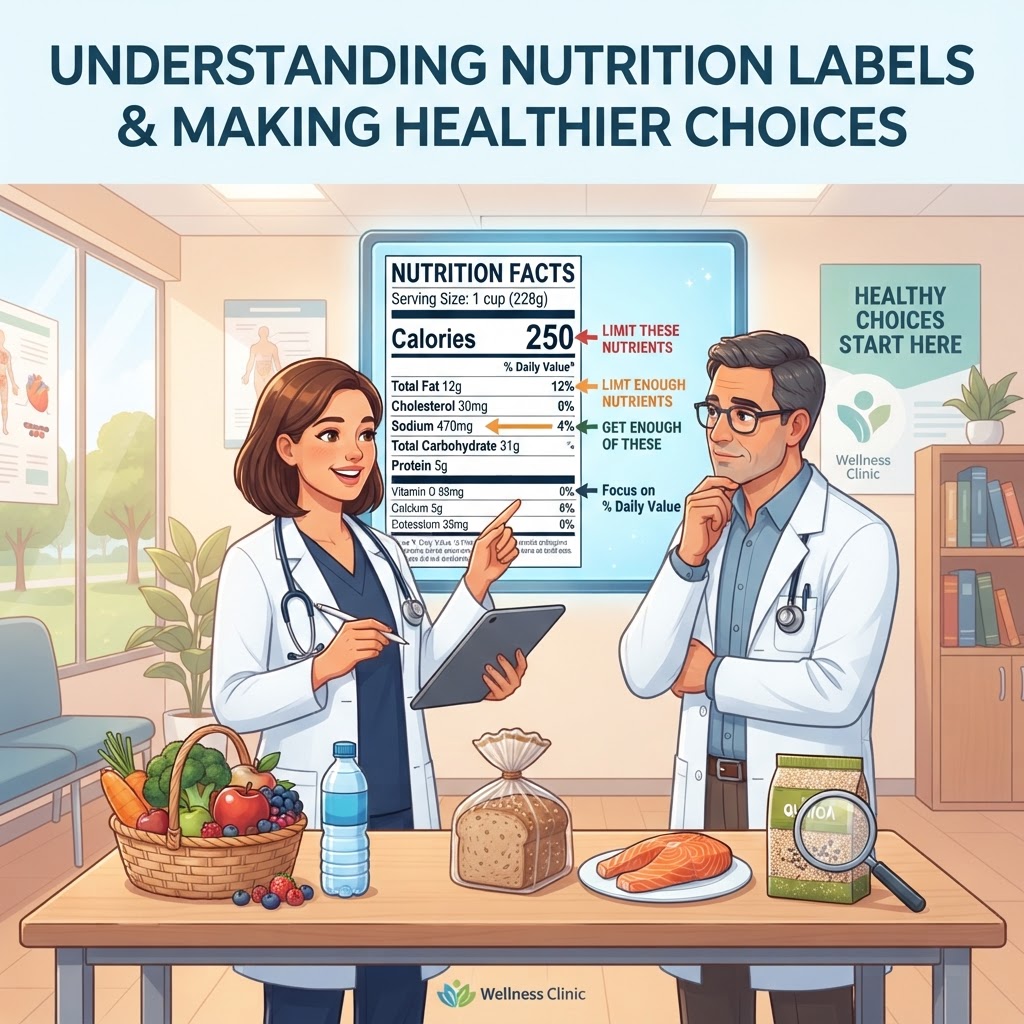
The first place to look on any nutrition label is the serving size and the number of servings per container. Many people overlook this, but it is crucial because the nutritional values listed are based on that specific portion. If you eat two servings, you must double all the values listed below. Checking this first helps you understand exactly how much sugar, fat, and sodium you are consuming in one sitting compared to your daily needs.
Prioritize Nutrients to Limit and Boost
Next, focus on the 'quick guide' to nutrients. Aim to limit intake of saturated fats, trans fats, sodium, and added sugars, as excessive consumption of these is linked to various health issues. Instead, look for foods that are high in dietary fiber, vitamin D, calcium, iron, and potassium. By using the Percent Daily Value (%DV) as a tool—where 5% or less is considered low and 20% or more is considered high—you can quickly identify whether a product is a nutrient-dense choice or something to be enjoyed only in moderation.