Understanding Blood Pressure: Your Guide to Managing Hypertension
September 16, 2026
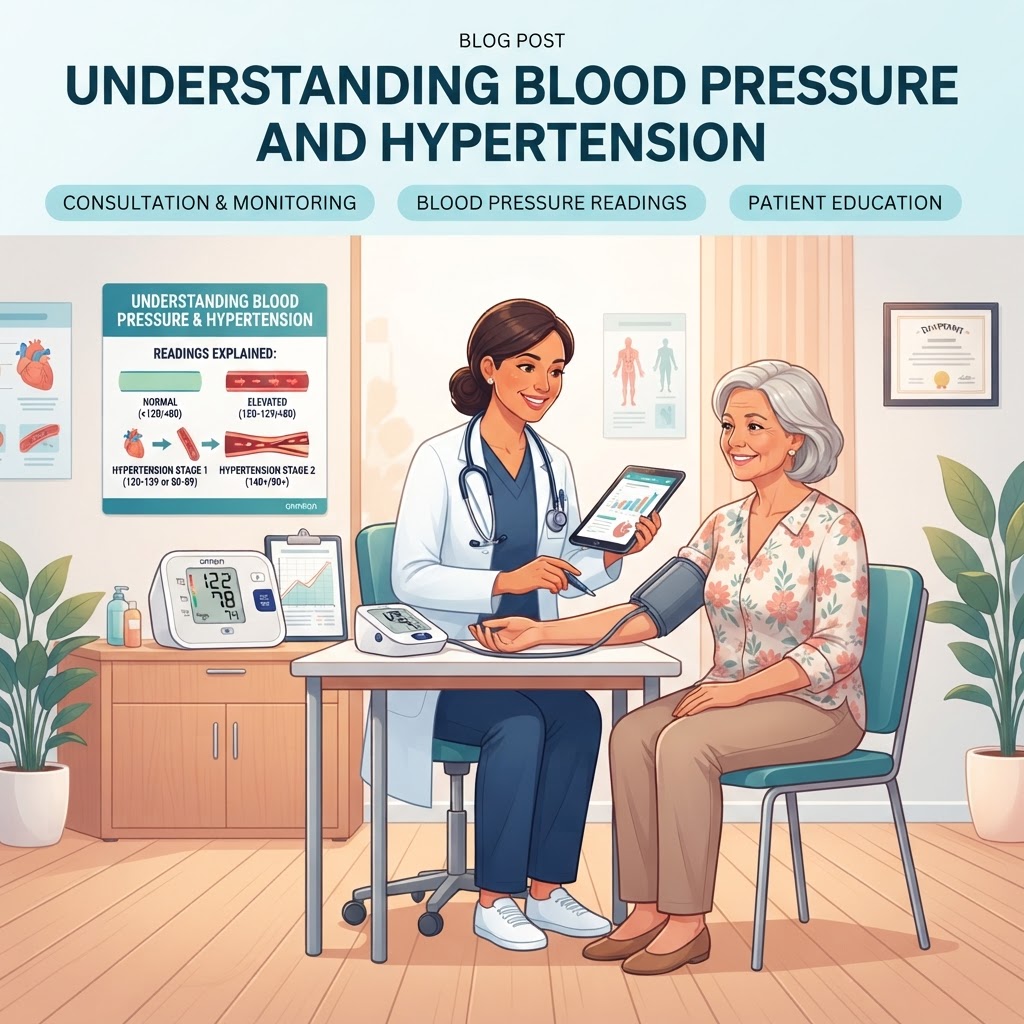
Blood pressure is the force of your blood pushing against the walls of your arteries as your heart pumps it throughout your body. It is measured with two numbers: systolic pressure, which measures the force when your heart beats, and diastolic pressure, which measures the force when your heart rests between beats. When these readings are consistently too high, it is known as hypertension. Over time, high blood pressure can damage your blood vessels and lead to serious health complications like heart disease, stroke, and kidney issues. Because it rarely causes early symptoms, regular monitoring is the most effective way to catch it before it causes damage.
Managing blood pressure often starts with sustainable lifestyle adjustments. Reducing sodium intake, engaging in regular physical activity, and maintaining a healthy weight can significantly lower your numbers. Additionally, managing stress levels through mindfulness or consistent sleep patterns plays a crucial role in heart health. If lifestyle changes alone are not enough, healthcare providers may prescribe medication to help keep your blood pressure in a safe range. Always consult with your doctor to establish a plan tailored to your specific needs, as proactive management is key to longevity and overall wellness.