Understanding Blood Pressure: Your Guide to Managing Hypertension
September 30, 2026
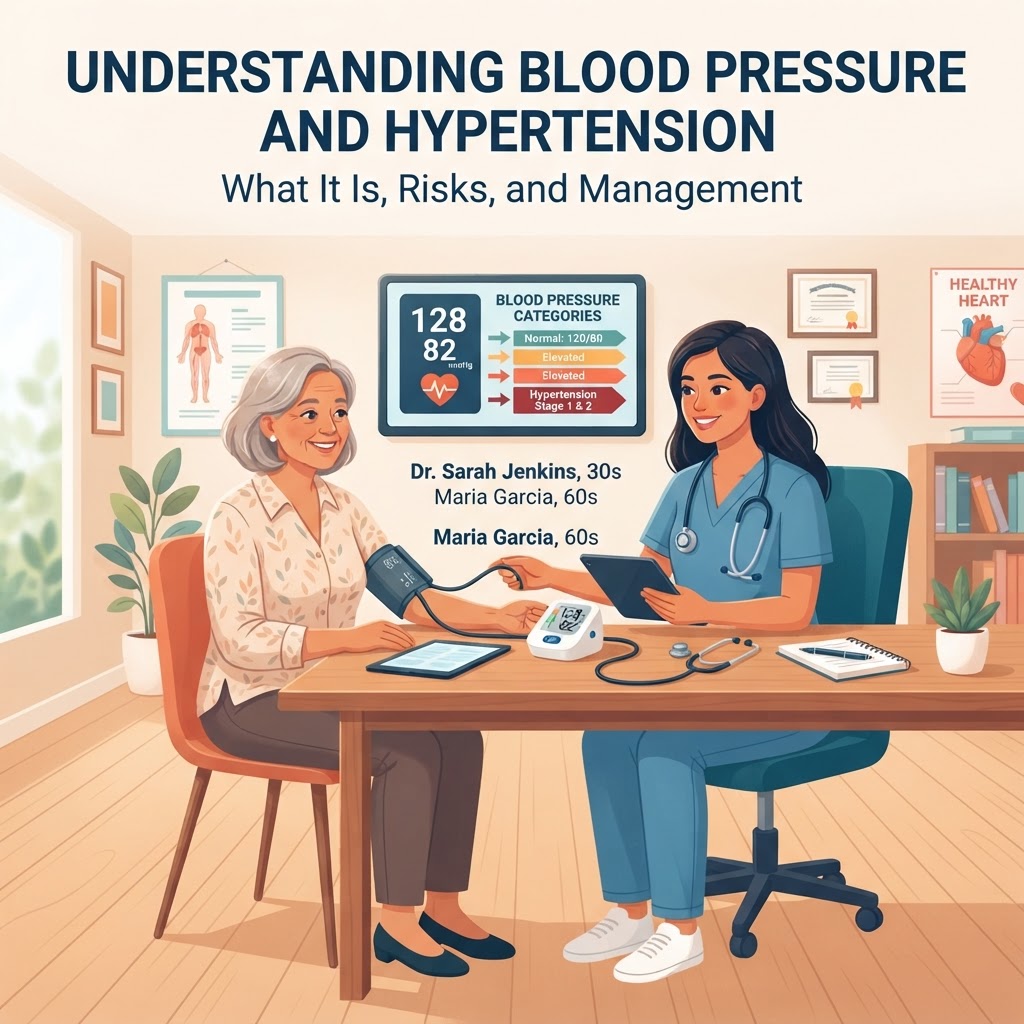
Blood pressure is measured using two numbers: systolic pressure, which represents the force of your blood against artery walls when the heart beats, and diastolic pressure, which measures the force when the heart rests between beats. A healthy reading is generally considered to be around 120/80 mmHg. When these numbers consistently stay elevated, it is classified as hypertension, which forces your heart to work harder and can eventually lead to serious health complications like heart disease, stroke, and kidney damage.
Managing hypertension often starts with proactive lifestyle adjustments. Incorporating a heart-healthy diet rich in fruits, vegetables, and whole grains while limiting sodium intake can make a significant difference. Additionally, engaging in regular physical activity, managing stress levels, and avoiding tobacco use are essential pillars of blood pressure control. Always consult with a healthcare professional to monitor your levels regularly, as early detection is the most effective way to keep your cardiovascular system strong and healthy.