Deciphering the Label: Your Guide to Smarter Grocery Shopping
October 1, 2026
Understanding the Nutrition Facts Label
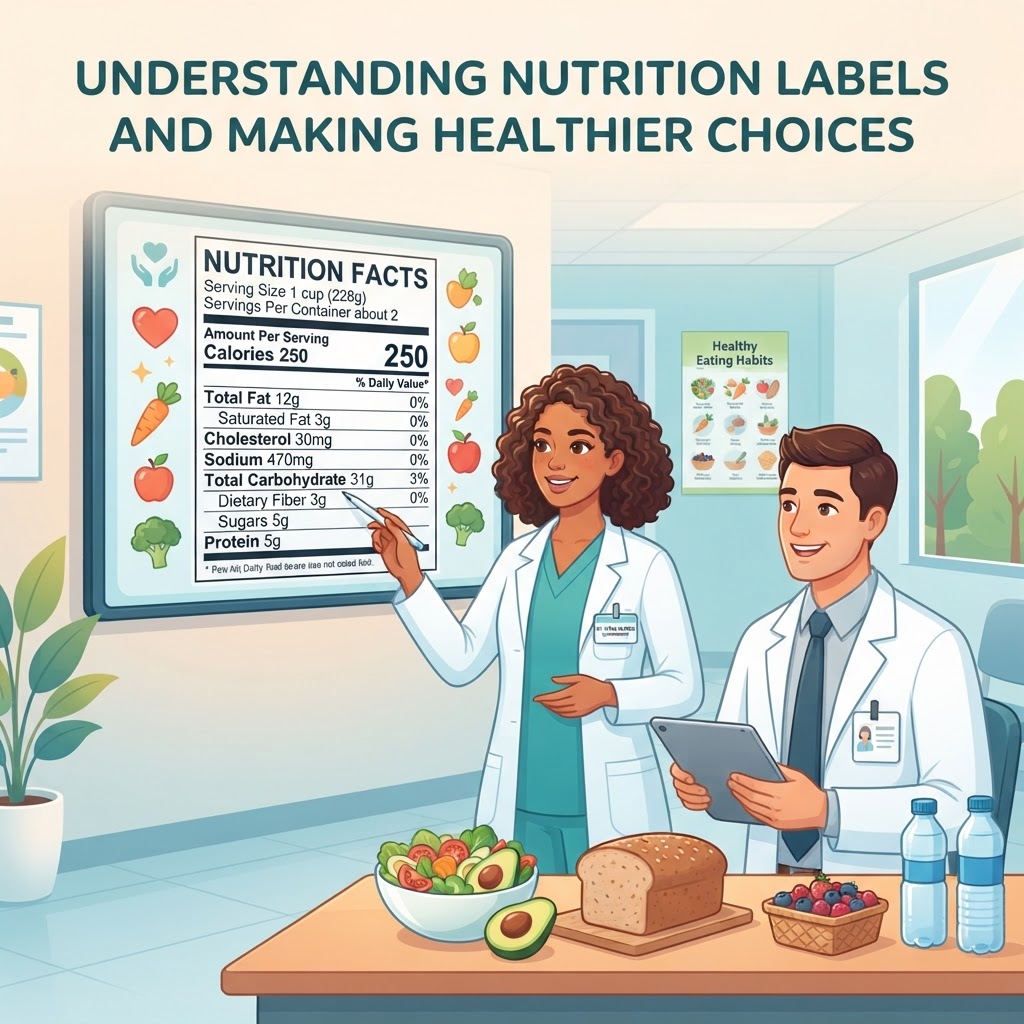
Reading a nutrition label can feel overwhelming, but it becomes much simpler when you focus on a few key areas. Start by checking the serving size and servings per container; all the information listed on the label is based on that specific portion. If you eat twice the serving size, you are consuming double the calories, fat, and sugar listed. Next, shift your attention to the Percent Daily Value (%DV). This acts as a guide to see if a food is high or low in a specific nutrient—5% or less is considered low, while 20% or more is considered high. Aim for products that are lower in saturated fats, sodium, and added sugars, while prioritizing those higher in dietary fiber, vitamins, and minerals.
Look Beyond the Front of the Box
Marketing buzzwords like "natural," "multigrain," or "light" on the front of a package can often be misleading. Instead of relying on these claims, turn the product around and consult the Ingredients List. Ingredients are listed in descending order by weight, meaning the first few items make up the bulk of the food. If sugar or refined oils appear at the very top of the list, the product is likely a highly processed option. By taking an extra minute to review the fine print, you move from being a passive consumer to an informed shopper capable of making choices that genuinely fuel your body.