Decoding the Label: Your Guide to Smarter Grocery Shopping
October 15, 2026
Start with the Serving Size
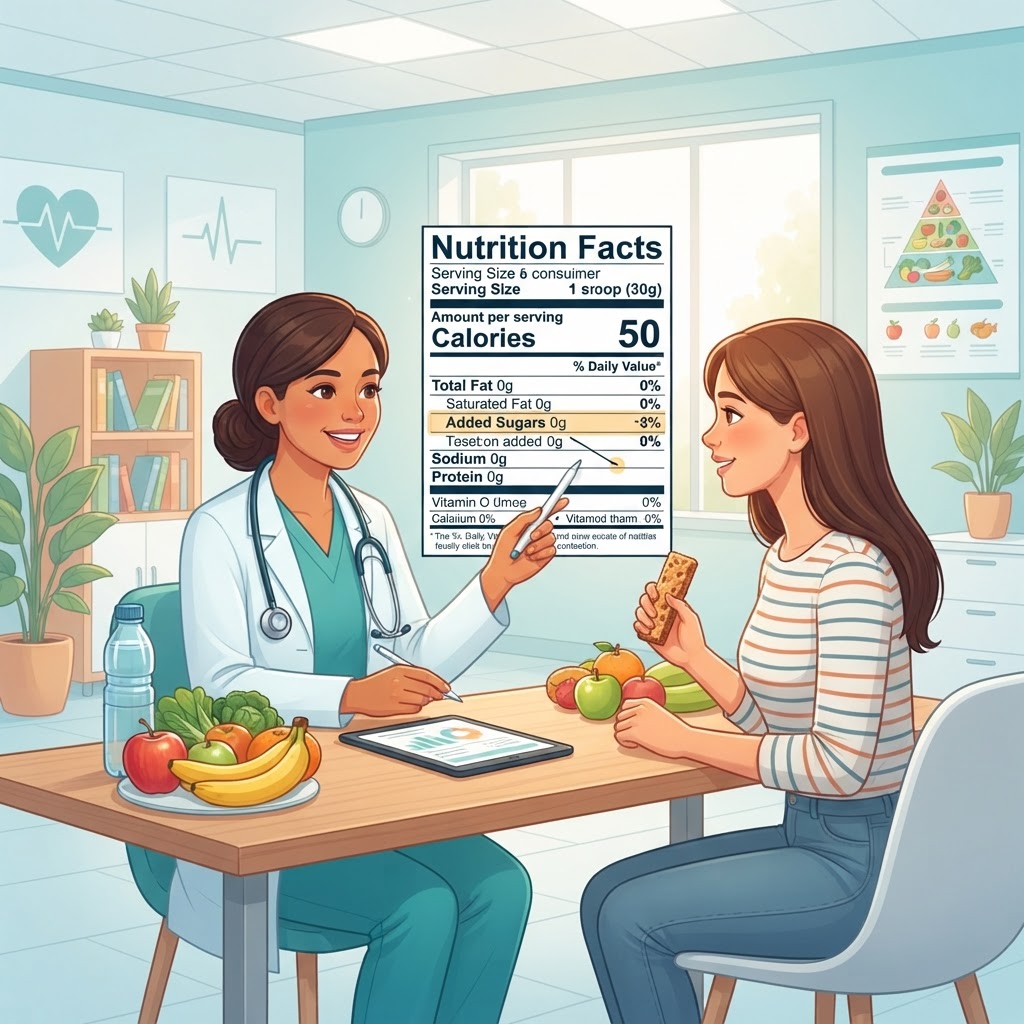
When reading a nutrition label, always begin with the serving size. Manufacturers often list calories and nutrients based on a single serving, which may be significantly smaller than the entire package. If you consume more than the listed serving, you must multiply the nutritional values accordingly. Checking this first prevents the common mistake of underestimating your daily caloric or sugar intake.
Focus on the Ingredients and Nutrients
Look beyond the front-of-package marketing claims and head straight to the ingredient list and the 'Daily Value' (DV) percentages. Prioritize foods that are rich in fiber, vitamins, and minerals while being cautious of high levels of added sugars, sodium, and saturated fats. A good rule of thumb is the 5/20 rule: 5% DV or less of a nutrient is considered low, while 20% DV or more is considered high. By focusing on whole-food ingredients and balancing your intake based on these percentages, you can make informed decisions that support your long-term health goals.