Deciphering Nutrition Labels: Your Guide to Smarter Grocery Choices
October 21, 2026
Start with the Serving Size
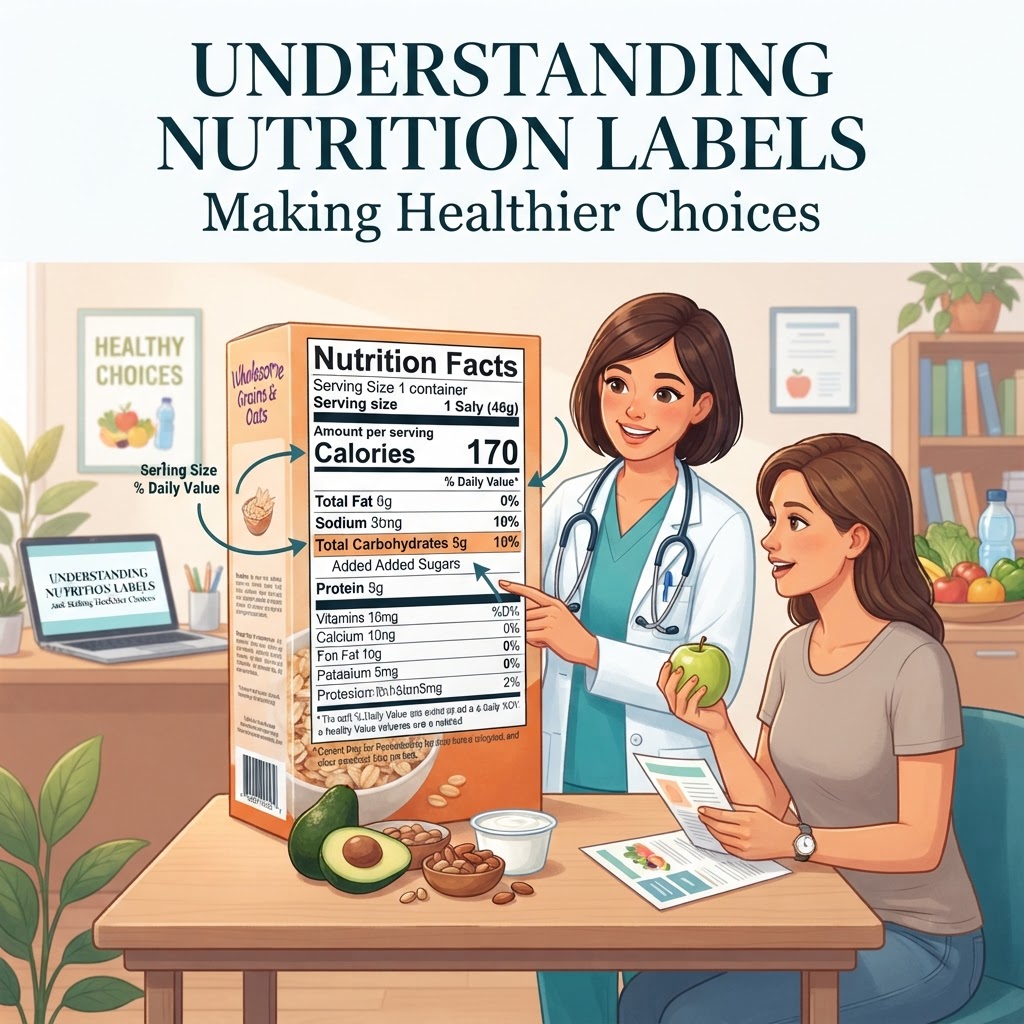
The most important section on any nutrition label is the serving size and the number of servings per container. Many people overlook this, but all the nutritional values listed—like calories, fats, and sugars—are based on that specific portion. If the bag contains two servings and you eat the whole thing, you are consuming double the calories and nutrients listed. Always check this first to understand exactly what you are putting into your body.
Focus on the 'Big Three' and Percent Daily Value
When scanning the list, focus on limiting nutrients like saturated fats, sodium, and added sugars, which are often linked to health concerns when consumed in excess. On the flip side, look for foods rich in dietary fiber, protein, vitamin D, calcium, iron, and potassium. The Percent Daily Value (%DV) acts as a quick guide: 5% or less is considered low for a nutrient, while 20% or more is considered high. By prioritizing whole foods and aiming for high fiber and protein content, you can easily filter out highly processed items and steer your grocery cart toward a healthier, more balanced diet.