Deciphering the Label: A Simple Guide to Smarter Grocery Shopping
October 23, 2026
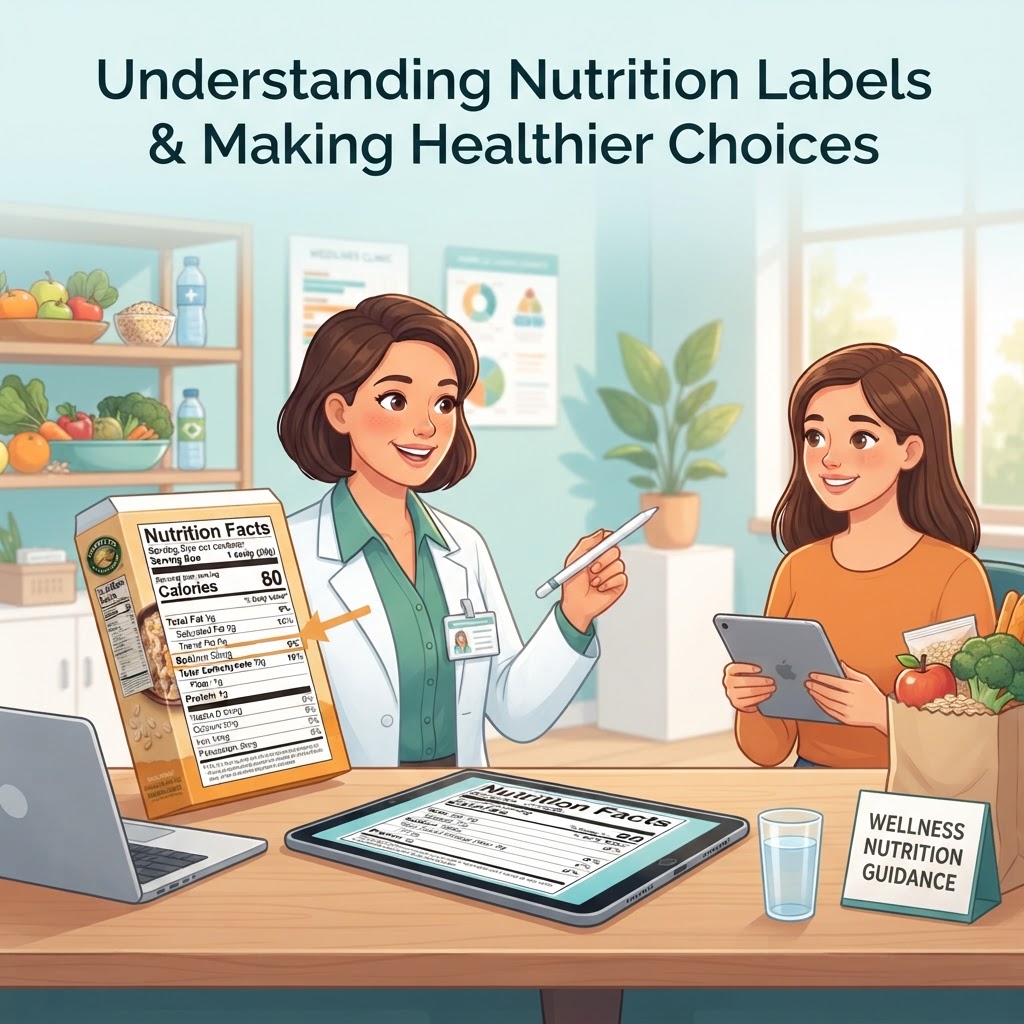
When you pick up a packaged food item, the nutrition facts label is your best tool for making informed health decisions. Start by looking at the 'Serving Size' and 'Servings Per Container' to understand exactly how much you are consuming. Many products contain multiple servings, so if you eat the whole package, you may be consuming double or triple the calories and nutrients listed. Next, scan the 'Percent Daily Value (%DV)' column. A quick rule of thumb is that 5% or less is low in a specific nutrient, while 20% or more is high. Aim for products higher in fiber, vitamins, and minerals, while keeping an eye on saturated fats, sodium, and added sugars.
Beyond the numbers, don't forget to glance at the ingredient list, which is ordered by weight. The first few ingredients make up the bulk of the product, so look for whole foods like oats, vegetables, or lean proteins rather than refined flours or syrups. Be cautious of 'health halos' on the front of packaging—marketing terms like 'natural' or 'low-fat' can be misleading. By focusing on the back of the label and prioritizing whole-food ingredients with limited added sugars, you can confidently steer your diet toward better health, one grocery trip at a time.